
Hangover Shakes: Causes, Symptoms, and How to Ease Them

Hangover shakes can also result from alcohol withdrawal, which occurs when there is a sudden cessation or significant reduction in alcohol consumption. Alcohol withdrawal tremors can be more severe and persistent than typical hangover shakes. These tremors are a potential sign of alcohol addiction or alcohol use disorder and should prompt immediate medical attention from healthcare professionals.
Does Lexapro Affect Fertility? What Research Suggests and Common Concerns

In addition to tremors, hangover shakes are often accompanied by a range of other symptoms. Some common hangover symptoms include headaches, nausea, vomiting, night how to get rid of hangover shakes sweats, thirst, dizziness, dry mouth, and stomach pains. One of the key factors in managing hangover shakes is replenishing the body with fluids.
Effects of Alcohol on the Body
- A pounding headache, feeling ill and being too tired to get up are all common after-effects of a drinking session.
- To effectively alleviate hangover shakes, start prioritizing rehydration.
- In short, alcohol shakes are usually part of a hangover and go away on their own, while DTs are a severe, medical emergency that requires immediate attention.
- Once a recovering alcoholic has completely detoxed, tremors will usually resolve.
- Alcohol is a diuretic, meaning it increases urine production and leads to fluid loss.
Alcohol is a diuretic, which means it increases urine production and can lead to dehydration. To stay hydrated and https://ecosoberhouse.com/ minimize the severity of shakes, drink water between alcoholic beverages. This helps to maintain a healthy fluid balance and replenish the body’s water stores.

If it feels like a mild hangover
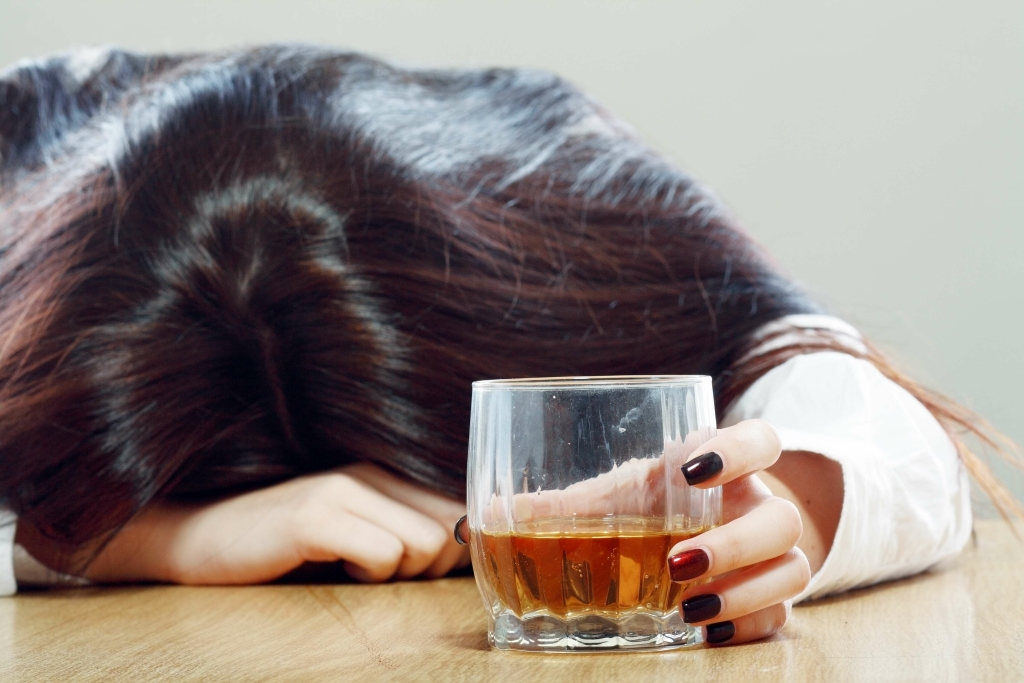
These shakes can manifest as involuntary trembling or quivering of various body parts, such as the hands, fingers, arms, eyes, head, and voice. The severity and duration of these shakes can vary depending on factors such as the amount of alcohol consumed and individual body composition. Hangover shakes refer to the involuntary trembling or shaking of the body that occurs as a result of alcohol consumption. They are a common manifestation of alcohol withdrawal and are often accompanied by other hangover symptoms such as headache, nausea, and fatigue. Hangover shakes, also known as tremors, are a common symptom experienced after consuming alcohol.
Warning Signs of Severe Withdrawal
The exact cause of hangover shakes is not fully understood, but several factors contribute can a hangover make you shaky to their occurrence. One significant factor is dehydration, as alcohol is a diuretic that increases urine production and leads to excessive fluid loss. It’s also why booze’s drying effect was long thought to be the main cause of hangover symptoms. If you find that you’re experiencing unpleasant effects during or after drinking alcohol, consider not drinking at all. You can also take steps to reduce the effects of alcohol on your nervous system.
These could indicate a serious withdrawal issue requiring medical attention. Another factor contributing to hangover shakes is the fluctuation of blood sugar levels. Alcohol consumption inhibits the liver’s ability to Alcoholics Anonymous release glucose into the bloodstream because it prioritizes metabolizing alcohol instead. When blood sugar levels drop, symptoms like shakiness, sweating, and fatigue may follow. This is particularly amplified during times of excessive drinking, where the liver becomes overwhelmed, exacerbating the issue of low blood sugar.
- If shaking continues when you are sober, a medical checkup is important.
- Adequate sleep and downtime can help alleviate symptoms and promote overall recovery.
- The only real prevention method for hangover shakes is to stop drinking completely.
What to Expect During Wound Care Treatment
Whatever it is that’s plaguing you, there are things you can do to feel better. Fortunately, knowing the causes of hangovers, as well as different ways to cure a hangover, can help. Your sympathetic nervous system deals with responses to stress, which includes things like sweating, increased heart rate, and — you guessed it — shakes or tremors. As the alcohol leaves your body, however, your central nervous system, along with part of your sympathetic nervous system, remains unbalanced. It stimulates the production of stomach acid and impairs normal stomach emptying, leading to symptoms like stomach pain, nausea, and vomiting. If you need a higher level of structure and support, Nova also offers Wimberley inpatient rehab for adults who need time and space to rebuild routines, coping skills, and stability.